Get Ductwork Replacement
Ductwork replacement services help property owners solve issues with outdated or damaged air ducts by connecting them with local contractors who handle installation and repairs.
If your property’s ductwork is aging, damaged, or no longer functioning efficiently, exploring replacement options can be an important step toward maintaining a comfortable and well-ventilated space. Property owners in the area often consider ductwork replacement to improve indoor air quality, enhance energy efficiency, and address issues like uneven heating or cooling. Understanding the practical benefits of upgrading your duct system can help you plan your project with confidence and ensure it aligns with your property’s needs.
Finding the right local contractors to handle ductwork replacement involves comparing experienced service providers who understand the specific requirements of properties in the area. By exploring your options and gathering information about available services, you can make informed decisions that support your property’s long-term comfort and performance. Keep reading to discover how local experts can assist with your ductwork replacement project.
- Old or damaged ductwork - when existing ducts show signs of wear, leaks, or damage affecting airflow.
- Upgrading HVAC efficiency - during system upgrades to improve air distribution and energy savings.
- Uneven heating or cooling - when inconsistent temperatures suggest ductwork issues that need replacement.
- Persistent indoor air quality problems - if contaminated or dusty ducts are contributing to indoor air concerns.
- Renovation or home expansion - when remodeling projects require new or modified duct systems to accommodate changes.
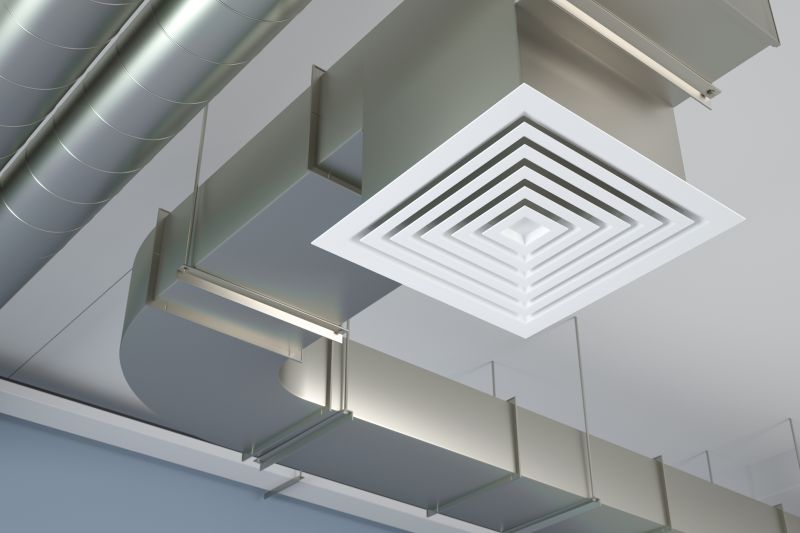
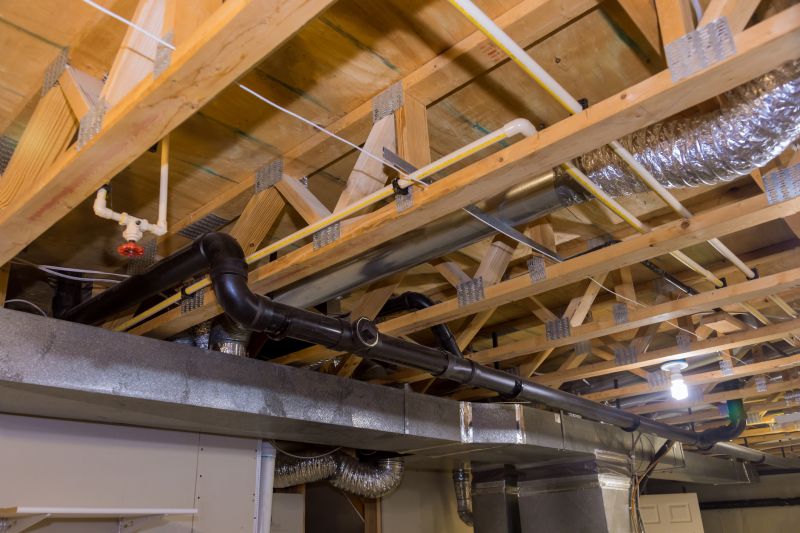
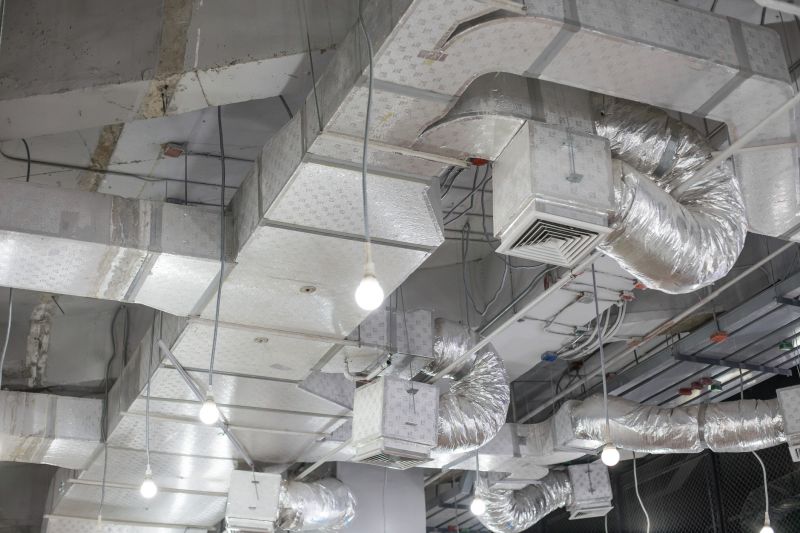
Ductwork replacement involves removing and installing new air distribution systems within a property’s heating, ventilation, and air conditioning (HVAC) setup. This service typically includes assessing the existing duct system, removing outdated or damaged ducts, and installing new, properly sealed ductwork to ensure efficient airflow throughout the building. The process helps improve indoor air quality, optimize heating and cooling performance, and reduce energy costs by eliminating leaks and blockages that can hinder airflow.
Many common problems indicate a need for ductwork replacement. These include inconsistent temperatures between rooms, increased energy bills, excessive dust or debris circulating in the air, and noticeable duct damage such as tears, holes, or corrosion. Over time, duct systems can deteriorate due to age, pests, or improper installation, leading to decreased efficiency and potential indoor air quality issues. Replacing old or compromised ducts can restore proper airflow and help maintain a comfortable, healthy indoor environment.
Ductwork replacement services are often sought for residential properties, including single-family homes, townhouses, and multi-family apartment buildings. Commercial buildings, such as offices, retail spaces, and small industrial facilities, may also require duct upgrades to meet current standards or address specific airflow problems. Homeowners and property managers typically consider duct replacement when experiencing persistent HVAC issues, renovations, or upgrades to their existing systems.
Choosing to replace ductwork is a practical solution for property owners facing airflow inefficiencies or ongoing HVAC problems. Local contractors can evaluate the condition of existing ducts, recommend suitable replacement options, and install new systems designed to improve comfort and energy efficiency. Contacting experienced service providers can help determine whether ductwork replacement is the right step to ensure a properly functioning heating and cooling system in any property.
The overview below groups typical Ductwork Replacement projects into broad ranges so you can see how smaller, mid-sized, and larger jobs often compare in your area.
In many markets, a large share of routine jobs stays in the lower and middle ranges, while only a smaller percentage of projects moves into the highest bands when the work is more complex or site conditions are harder than average.
Smaller Repairs - minor ductwork repairs or adjustments typically cost between $250 and $600. Many routine jobs fall within this range, especially for simple fixes or minor replacements. Larger, more complex projects can exceed this range but are less common.
Partial Ductwork Replacement - replacing sections of ductwork usually ranges from $1,000 to $3,000. Many projects in this category are mid-sized and fall into the middle of this range, with fewer reaching the higher end for more extensive work.
Full Duct System Replacement - complete replacement of an entire duct system often costs between $3,500 and $7,000. Larger, more involved projects can go beyond this, but most fall within this typical range.
Complex or Large-Scale Projects - extensive ductwork replacements or custom installations can reach $10,000 or more. These projects are less common and usually involve significant modifications or high-end materials.
Actual totals will depend on details like access to the work area, the scope of the project, and the materials selected, so use these as general starting points rather than exact figures.
Air Duct Cleaning - professionals who clean and maintain duct systems often have skills similar to those needed for ductwork replacement, ensuring proper airflow and system efficiency.
HVAC System Installation - installing or upgrading heating, ventilation, and air conditioning systems requires planning and knowledge of duct layouts, making it related to ductwork replacement projects.
Ventilation System Upgrades - improving or replacing ventilation components involves similar planning and tools as ductwork replacement to ensure proper air circulation.
Insulation Installation for Ducts - adding insulation to duct systems requires understanding of duct layouts and access, aligning closely with the skills used in ductwork replacement.
Commercial HVAC Ductwork Services - larger-scale duct installation and replacement projects in commercial spaces involve similar planning, tools, and expertise as residential ductwork replacement.
Attic and Crawl Space Insulation - working in tight spaces to improve insulation shares techniques with ductwork replacement, especially in accessing and modifying duct runs.
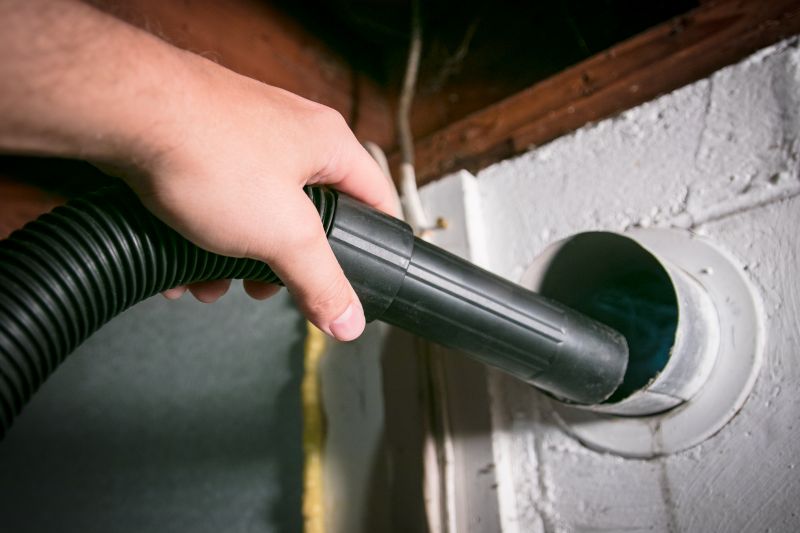
When choosing a contractor for ductwork replacement, it's important to consider their experience with similar projects. Homeowners should look for service providers who have a proven track record handling duct system upgrades or replacements comparable to the scope of their own project. Asking about past work can provide insight into their familiarity with different types of ductwork, building layouts, and installation challenges, helping ensure the selected contractor has the expertise needed to complete the job effectively.
Clear written expectations are essential to avoid misunderstandings and ensure the project runs smoothly. Homeowners should seek out service providers who can offer detailed written estimates that outline the scope of work, materials to be used, and the projected process. Having this information in writing helps clarify what is included, sets realistic expectations, and provides a reference point throughout the project, making it easier to address any questions or concerns that may arise along the way.
Reputable references and good communication are key factors in selecting a reliable service provider. Homeowners are encouraged to ask potential contractors for references from previous clients who had similar ductwork projects. Contacting these references can reveal insights into the contractor’s professionalism, quality of work, and ability to meet deadlines. Additionally, effective communication-prompt responses, clear explanations, and transparency-can make the entire process more manageable and ensure that the homeowner’s questions and preferences are understood and addressed throughout the project.
Property owners use Ductwork Replacement services for practical projects around their homes and businesses. This guide focuses on everyday jobs and straightforward project options.
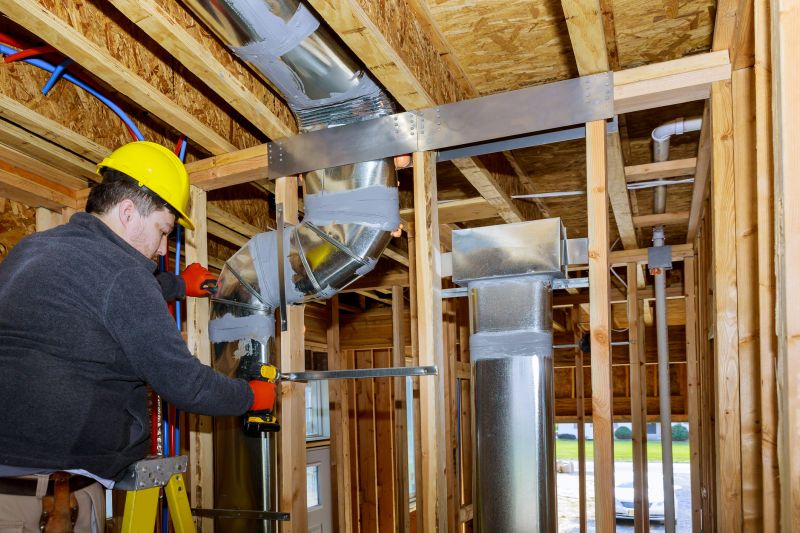
Ductwork replacement is often needed when property owners notice uneven heating or cooling throughout their space, increased energy bills, or persistent indoor air quality issues. Aging or damaged duct systems can become less efficient over time, leading many to seek professional service providers who specialize in installing new, properly functioning ductwork. Whether it's due to wear and tear or recent renovations, local contractors are available to assess the situation and recommend suitable solutions to improve comfort and efficiency.
In many cases, property owners consider ductwork replacement when remodeling or upgrading their HVAC systems. Cracks, leaks, or blockages in existing ducts can compromise airflow and cause discomfort in different areas of a building. Local service providers can handle these projects, helping homeowners and business owners restore proper airflow and ensure their heating and cooling systems operate effectively. Connecting with experienced contractors can make the process smoother and result in a more reliable, long-lasting duct system.
When should ductwork be replaced? Ductwork should be considered for replacement if it shows signs of significant damage, persistent leaks, or poor airflow that cannot be improved through repairs.
What are the benefits of replacing old ductwork? Replacing outdated ductwork can improve indoor air quality, enhance energy efficiency, and support better climate control within a building.
How do local contractors determine if ductwork needs replacement? Contractors typically assess ductwork for issues such as leaks, corrosion, mold, or physical damage to decide if replacement is necessary.
Can replacing ductwork improve indoor air quality? Yes, new ductwork can reduce dust, mold, and other contaminants, contributing to cleaner indoor air.
What types of ductwork materials are available for replacement? Common options include metal, flexible, and insulated duct materials, each suited to different installation needs and preferences.
Improve Indoor Air Quality - Replacing old or damaged ductwork can help ensure cleaner air circulation throughout a home or office.
Upgrade HVAC Efficiency - Installing new duct systems can optimize heating and cooling performance, reducing energy waste.
Address Unusual Noises or Leaks - Replacing ductwork can eliminate rattling sounds or air leaks that disrupt comfort and efficiency.
Prepare for Home Renovations - New duct installation may be part of a larger remodeling project to improve airflow and ventilation.
If you are thinking about Ductwork Replacement for a property, this guide is meant to help you understand the work, the typical project types, and how different options might fit your plans.
When you are ready, you can use the quote form on this page to share a few details about your project. From there, local pros can review the basics and respond with options that match what you have in mind.